


Better sleep often starts with better breathing. If you wake up tired despite getting a full night’s sleep, snore loudly, wake up gasping, or feel exhausted throughout the day, sleep apnea may be part of the problem. This common sleep-related breathing disorder can interfere with your ability to get restorative sleep—and it often goes undiagnosed.
At the San Diego office of Dr. Steven Schneider, DDS, we take a thoughtful approach to identifying and addressing oral and airway-related concerns. Dr. Schneider is a member of the National Association of Sleep Medicine and offers oral appliance therapy and laser procedures as part of his approach to sleep apnea care.
The goal isn’t simply to quiet the snoring. It’s to understand what’s happening with your breathing during sleep and determine whether an oral appliance or another treatment approach may be appropriate for you.
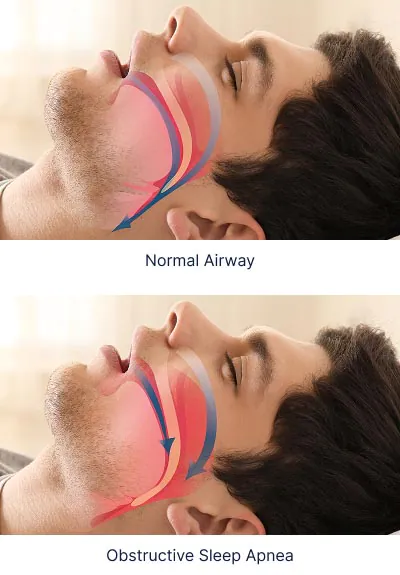
What Is Sleep Apnea?
Sleep apnea involves breathing repeatedly stopping or becoming restricted during sleep. These interruptions can happen many times throughout the night, even if you aren’t aware of them.
Obstructive sleep apnea (OSA) is the most common form. It occurs when the upper airway becomes partially or completely blocked during sleep.
Common Signs and Symptoms of Sleep Apnea
Common signs and symptoms of sleep apnea include:
- Loud or persistent snoring
- Gasping, choking, or pauses in breathing during sleep
- Waking with a dry mouth or sore throat
- Morning headaches
- Difficulty staying asleep
- Excessive daytime sleepiness or fatigue
- Difficulty concentrating
- Feeling tired even after what seems like a full night’s sleep
Not everyone with sleep apnea snores, and symptoms can vary from person to person. If you suspect you may have sleep apnea, an evaluation is the best way to assess your symptoms.
Oral Appliance Therapy for Sleep Apnea
A custom oral appliance can be an effective treatment option for some patients with obstructive sleep apnea, particularly those with mild to moderate OSA or those who cannot tolerate or prefer an alternative to CPAP therapy. The appliance is worn while you sleep and is designed to help maintain an open upper airway by repositioning the jaw or tongue.
Unlike an over-the-counter mouthguard, a therapeutic oral appliance is designed specifically for your mouth and your treatment needs. Dr. Schneider will evaluate your teeth, bite, jaw, and overall oral health to determine whether oral appliance therapy may be appropriate.
If an oral appliance is recommended, you’ll receive instructions for wearing and caring for it, along with follow-up care to monitor how you’re doing.
Sleep Apnea Laser Procedures
Dr. Schneider also offers laser procedures as part of his approach to sleep-related breathing concerns. Laser treatment may be considered for certain patients based on their individual anatomy and clinical needs. Because sleep apnea has multiple potential contributing factors, laser treatment isn’t appropriate for everyone and shouldn’t be considered a universal replacement for other therapies.
During your evaluation, we’ll discuss whether this type of treatment makes sense for you and how it fits into your overall care plan.
A Whole-Person Approach to Better Sleep
Sleep affects how you feel, function, and move through your day. That’s why treating a sleep-related breathing disorder shouldn’t be reduced to simply treating one symptom. Our approach considers your oral health, jaw and bite, airway-related concerns, comfort, and treatment goals. When appropriate, dental treatment can be part of a broader sleep apnea care plan.
If you’ve been diagnosed with sleep apnea, we can work within the recommendations of your medical and sleep-care providers. If you haven’t been diagnosed but have symptoms that concern you, we’ll help you understand whether further evaluation may be appropriate.
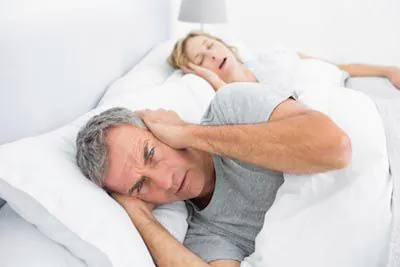
Do I Need a Sleep Study?
A dentist can recognize signs that may be associated with sleep apnea, but diagnosing sleep apnea generally requires a medical sleep evaluation or sleep study. If you have not yet been diagnosed, Dr. Schneider can discuss your symptoms and help determine whether a sleep evaluation is an appropriate next step. A diagnosis helps ensure that treatment is addressing the actual sleep-related breathing problem rather than simply treating snoring.
Ready to Rock a Good Night’s Sleep?
If snoring, fatigue, or disrupted sleep has become your nightly routine, it’s worth finding out why. Schedule a consultation with Dr. Steven Schneider, DDS, in San Diego, CA, to discuss your sleep concerns and learn whether oral appliance therapy or another treatment approach may be appropriate.


