


Jaw pain doesn’t always stay there. Problems involving the temporomandibular joints (TMJs), jaw muscles, and bite can sometimes be associated with facial pain, jaw tension, headaches, difficulty chewing, or discomfort when opening and closing your mouth.
At the office of Dr. Steven Schneider, DDS, in San Diego, we take a careful look at the relationship between your jaw, bite, teeth, and symptoms before recommending treatment. With more than 40 years of dental experience, Dr. Schneider has developed a reputation for thoughtful, conservative care. We’ll help you figure out what’s actually happening and determine whether TMJ/TMD treatment may help.
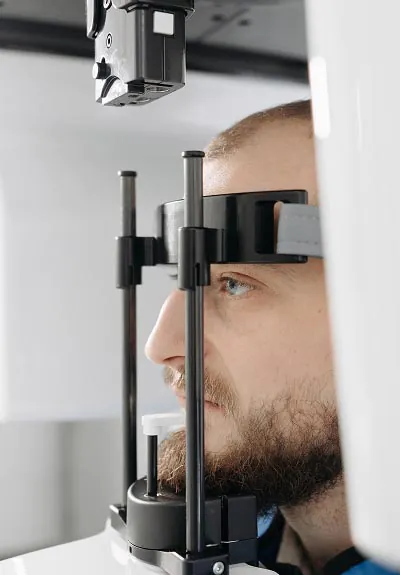
What Is TMJ Disorder?
Your temporomandibular joints connect your lower jaw to your skull and allow you to talk, chew, yawn, and move your jaw in multiple directions. When the joints, surrounding muscles, or related structures aren’t functioning properly, you may experience temporomandibular disorders (TMD).
Symptoms can include:
- Jaw pain or tenderness
- Facial pain
- Headaches or pain around the temples
- Ear-area discomfort
- Clicking or popping when opening or closing your mouth
- Difficulty opening your mouth comfortably
- Jaw stiffness or locking
- Pain while chewing
- Tooth sensitivity or soreness without an obvious dental cause
- Excessive jaw tension
- Worn, chipped, or damaged teeth associated with grinding or clenching
TMJ symptoms can have many potential causes. Stress, muscle tension, trauma, arthritis, bite-related factors, teeth grinding, and other conditions can all play a role. That’s why a thorough evaluation matters.
TMJ Treatment Starts With Finding the Cause
There isn’t one universal TMJ treatment, and you shouldn’t have to commit to one before you understand what’s causing your symptoms. Dr. Schneider will evaluate your jaw function, bite, teeth, and symptoms to develop a clearer picture of what’s going on. Depending on your situation, treatment may range from conservative measures and a therapeutic mouth guard to more involved care.
Our TMJ treatment approach may include:
Personalized TMJ Therapy
Conservative TMJ therapy may focus on reducing stress on the jaw and helping you manage habits that contribute to clenching or muscle tension. Your recommendations may include changes to chewing habits, exercises or stretches, heat or cold therapy, or other measures depending on your symptoms.
Mouth Guards for Bruxism
If you grind or clench your teeth, a custom mouth guard may help protect your teeth and reduce the forces placed on your jaw. Your therapeutic appliance will be designed around your teeth, bite, and specific needs.
Bite Evaluation
Your bite affects how your teeth come together and how your jaw moves. Evaluating your bite can provide important information when determining whether certain dental or jaw-related factors may be contributing to your symptoms.
Can TMJ Problems Cause Headaches?
TMJ disorders can be associated with headaches, particularly when jaw muscles are overworked or tense. Some people experience pain around the temples, forehead, or other areas of the head along with jaw discomfort. But headaches have many possible causes, including migraine, tension-type headaches, medication effects, vision problems, sinus conditions, and other medical issues.
That’s why we don’t assume that every headache is a TMJ headache. If your symptoms suggest that your jaw may be contributing to your discomfort, we’ll explain what we’re seeing and discuss appropriate options. If your symptoms appear to require medical evaluation, we’ll let you know that, too.
Clenching and Grinding: The Stress Your Jaw Doesn’t Need
Many people clench or grind their teeth without realizing they’re doing it, especially during sleep or periods of stress. Over time, excessive grinding forces can contribute to:
- Flattened or worn teeth
- Chipped or fractured teeth
- Jaw muscle soreness
- Morning jaw stiffness
- Headaches
- Tooth sensitivity
- Damage to dental restorations
A custom mouth guard may help protect your teeth from excessive grinding forces. It can also be part of a broader plan for managing jaw-related symptoms.

A Conservative Approach to TMJ Care
Dr. Schneider believes good dentistry starts with understanding what the patient actually needs. That matters particularly with TMJ concerns, where symptoms can be complicated, and treatment should be individualized. As a dentist with more than four decades of experience, he takes the time to evaluate the whole picture rather than immediately recommending an irreversible treatment.
You’ll learn:
- What we see during your evaluation
- What may be contributing to your symptoms
- Which treatments may help
- What alternatives are available
- What can reasonably be left alone or monitored
Rather than treating a symptom in isolation, Dr. Schneider considers your teeth, bite, jaw function, comfort, and overall oral health when developing a treatment plan. And because our practice is focused on patient education, you’ll never be expected to simply take a recommendation on faith.
Find Out What’s Behind Your Jaw Pain
If you’re dealing with recurring jaw pain, tension, headaches, grinding, or other symptoms that seem to involve your jaw, an evaluation can help you understand what’s happening. Schedule a TMJ/TMD consultation with Dr. Steven Schneider, DDS, in San Diego, CA. We’ll take a closer look, explain what we find, and help you find a solution.


